Introduction to Programming Codes
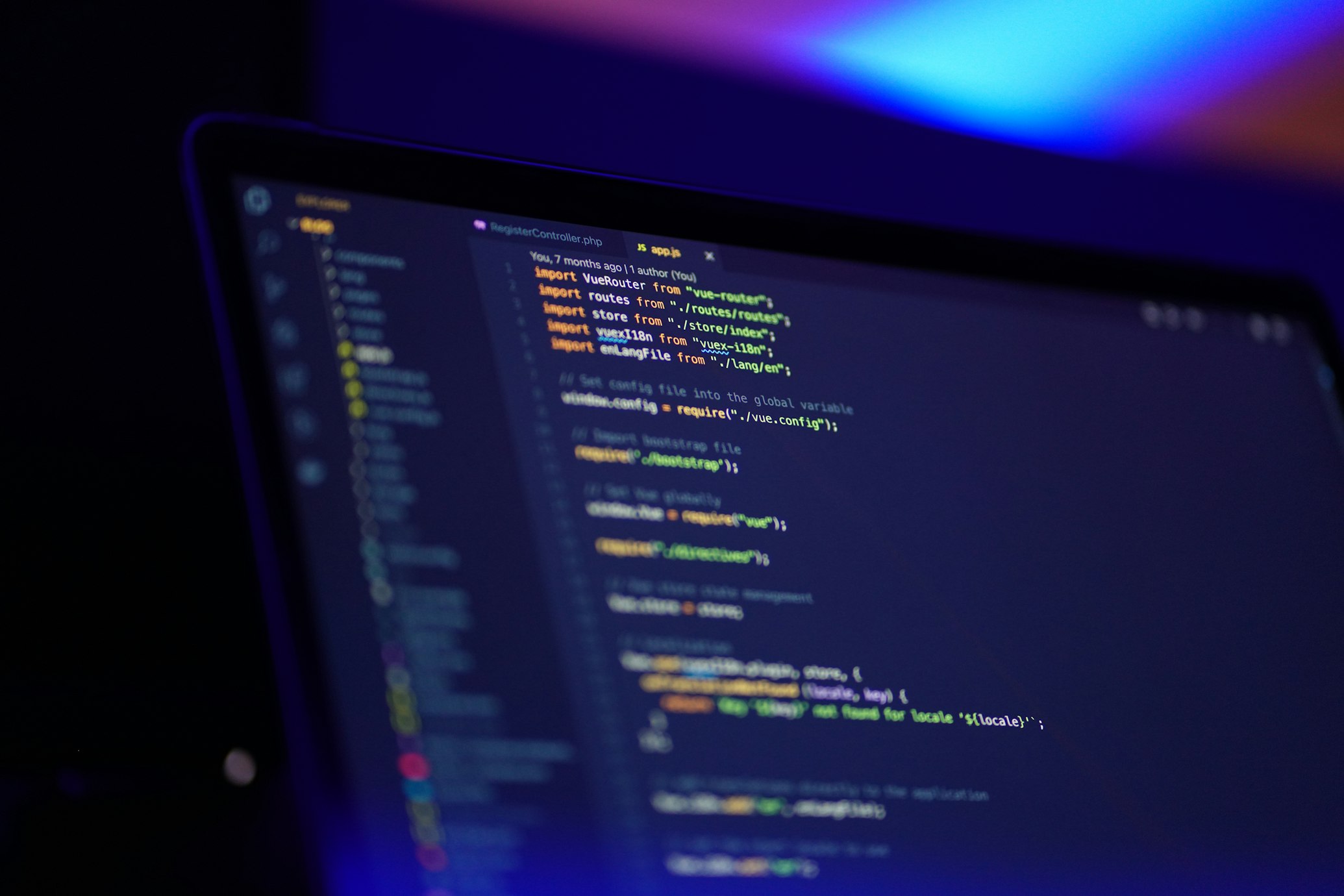
In today’s digital age, programming codes are the foundational language behind everything from web applications to mobile games and AI-powered devices. But what exactly is a programming code? At its core, programming code is a set of instructions written in a language that computers can understand. With the right skills, anyone can create complex, powerful programs from scratch. Learning to code can open countless opportunities in tech-driven fields and develop problem-solving skills applicable to various industries.
History of Programming Codes
The history of programming is as dynamic as the field itself, with early computer scientists laying the groundwork for today’s technology. Programming as we know it began in the 1800s with Ada Lovelace’s algorithm, but it wasn’t until the mid-20th century that programming languages like FORTRAN and COBOL emerged. Each milestone in programming languages—from assembly language to modern high-level languages—has contributed to today’s fast, versatile code structures, making coding more accessible and powerful.
Types of Programming Languages
Programming languages are generally classified as either compiled or interpreted. Compiled languages, such as C++ and Java, are converted into machine code before running, which allows them to execute tasks faster. Interpreted languages, like Python and JavaScript, execute line-by-line, which makes them easier to work with for beginners. Another classification is between low-level and high-level languages, with low-level languages (e.g., Assembly) operating closer to machine code, while high-level languages (e.g., Python) prioritize readability and ease of use.
Popular Programming Languages and Their Uses
Choosing the right language depends on the project requirements. Here’s a quick rundown of popular languages and their typical uses:
- Python: Known for simplicity and readability; used in data science, AI, web development.
- JavaScript: Vital for web development; enables interactive web pages.
- Java: Reliable for large-scale applications; commonly used in Android development.
- C++: Popular in system software and game development due to high performance. Each language has unique strengths, making it essential to choose the right one based on project needs and goals.
Programming Syntax and Semantics
Programming syntax and semantics are two critical components of coding. Syntax is the set of rules that defines the structure of code statements, like grammar in human language. For example, missing a semicolon in C++ can cause an error. Semantics, on the other hand, refers to the meaning behind the code, ensuring it performs as intended. Mastering both syntax and semantics is fundamental to becoming a proficient coder.
Basic Structure of a Code
Writing your first code involves understanding basic elements such as variables, loops, and functions. A variable stores data, while loops help perform repetitive tasks. Functions are blocks of code designed to perform a particular task. Here’s a simple example of code in Python:
This code showcases the basic structure and demonstrates the simplicity of writing functional programs in beginner-friendly languages like Python.
Understanding Code Logic and Algorithms
Code logic and algorithms are the blueprints behind any functional program. Code logic is the way each line or block of code interacts to achieve a result. Algorithms, on the other hand, are predefined steps or procedures for solving specific problems. For instance, a sorting algorithm arranges data in a particular order, and it’s vital to coding applications that process information efficiently.
Data Structures in Programming
Data structures are the formats used to store and manage data within a program, such as arrays, lists, stacks, and queues. Choosing the right data structure can significantly impact a program’s efficiency. For example, stacks are ideal for managing data in a last-in, first-out order, while arrays are helpful for indexed data storage. Understanding data structures is crucial for writing high-performance code, especially for larger applications.
The Role of Frameworks and Libraries
Frameworks and libraries are pre-built code collections that save developers time by simplifying complex tasks. For instance, the React.js library allows developers to create interactive UIs with less code. Using frameworks and libraries, such as Django for Python or Bootstrap for CSS, is essential for efficient development, especially when building scalable web applications.
Debugging and Error Handling in Programming
Debugging is the process of identifying and fixing errors in code. Errors can be categorized as syntax errors, runtime errors, and logical errors. Effective debugging involves using strategies like code reviews, testing, and error logging. It’s crucial to practice patience and learn debugging tools to overcome programming hurdles, which ultimately leads to better, more resilient code.
Coding Best Practices and Conventions
Maintaining coding standards is crucial for readability and collaboration. Writing clean, readable code with consistent naming conventions and indentation makes it easier for others (and your future self) to understand your work. Additionally, comments help explain complex code sections, while documentation provides a roadmap for maintaining and updating the code.
Introduction to Object-Oriented Programming (OOP)
Object-oriented programming is a paradigm that organizes code into “objects” rather than functions or logic. This approach, which includes principles like inheritance, encapsulation, and polymorphism, allows for modular, scalable, and reusable code. OOP languages like Java and C++ are popular in application development due to their organizational benefits.
The Importance of Testing in Code Development
Testing is a key step in code development, ensuring the program works as intended. Unit testing verifies individual components, while integration testing checks how different modules interact. Testing helps prevent bugs from reaching the end user and is essential for developing high-quality, reliable applications.
Advanced Concepts in Programming
As coders advance, they encounter complex concepts like recursion, where a function calls itself, and functional programming, which treats functions as values. These advanced topics open doors to creative problem-solving approaches, though they require practice and patience to master fully.
Conclusion
In summary, programming is a powerful tool that, when mastered, opens countless opportunities. By understanding core concepts, from basic syntax to advanced data structures, beginners can start building projects and growing their skills. Programming is a continuous learning journey; each line of code is a step toward innovation and problem-solving in our digital world.
FAQs
What is the easiest programming language for beginners?
- Python is widely recommended for beginners due to its readability and simple syntax.
How can I practice coding efficiently?
- Use online platforms like Codecademy, LeetCode, or HackerRank to practice coding with real-time feedback.
What is the difference between front-end and back-end development?
- Front-end development focuses on the user interface, while back-end development handles server-side operations and databases.
Do I need to learn algorithms to code?
- Yes, understanding algorithms is essential for writing efficient code, especially as you tackle more complex programming tasks.
Can I learn to code without a computer science degree?
- Absolutely! Many resources are available online, and with consistent practice, anyone can learn to code without formal education.
.png)


.png)

.png)


.png)

.png)
.png)


.png)
No comments:
Post a Comment
If you have any question you can ask me feelfree.