Islamic Duʿāʾ (Supplication) in Islam


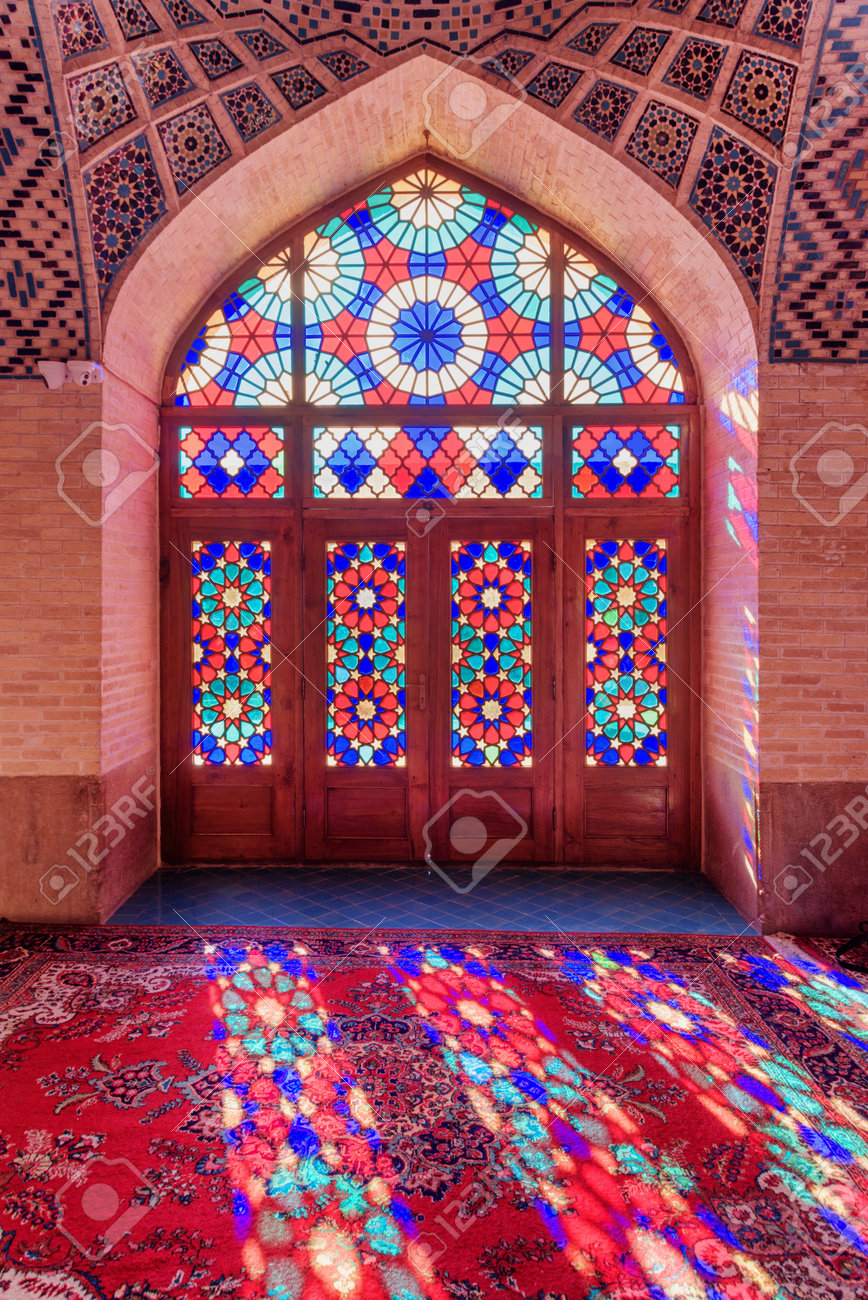

Duʿāʾ (دعاء)—supplication—is one of the most intimate and powerful acts of worship in Islam. It is a direct conversation between a servant and Allah, made without any intermediary. Through duʿāʾ, Muslims express gratitude, seek forgiveness, ask for guidance, and request help in times of need.
The Prophet Muhammad said: “Duʿāʾ is worship.” This highlights that supplication is not merely asking for things—it is itself an act of devotion.
What Is Duʿāʾ?
Duʿāʾ literally means “calling out” or “invoking.” In Islamic understanding, it refers to calling upon Allah with humility and sincerity.
The Qur'an emphasizes the importance of duʿāʾ:
“Call upon Me; I will respond to you.” (Qur'an 40:60)
This verse shows Allah’s closeness and readiness to answer those who turn to Him.
Types of Duʿāʾ
Islamic scholars generally describe two main types:
1. Duʿāʾ al-ʿIbādah (Supplication through Worship)
This includes acts such as prayer (ṣalāh), fasting, charity, and remembrance (dhikr). Every act of obedience is a form of calling upon Allah.
2. Duʿāʾ al-Masʾalah (Supplication of Asking)
This is when a person directly asks Allah for something—whether worldly needs (health, success, protection) or spiritual needs (forgiveness, guidance, mercy).
Etiquette of Making Duʿāʾ
While duʿāʾ can be made anytime and anywhere, Islamic teachings encourage certain manners:
Begin by praising Allah.
Send blessings upon the Prophet Muhammad.
Face the Qiblah (direction of prayer).
Raise the hands.
Be sincere and humble.
Have firm belief that Allah will respond.
Repeat the supplication three times if needed.
End with “Āmīn.”
Sincerity (ikhlāṣ) is the key. Duʿāʾ made from the heart is most beloved to Allah.
Best Times for Duʿāʾ
Certain times are especially recommended:
During the last third of the night (Tahajjud time)
While fasting and at the time of breaking the fast
Between the adhān and iqāmah
During prostration (sujūd)
On Fridays, especially in the last hour before Maghrib
Benefits of Duʿāʾ
Strengthens faith – Reminds believers of their dependence on Allah.
Brings peace to the heart – Reduces anxiety and stress.
Earns reward – Even if the request is not granted immediately.
Changes destiny – Islamic teachings mention that duʿāʾ can alter decreed matters by Allah’s will.
Protects from harm – A shield against difficulties.
Examples of Powerful Duʿāʾ from the Qur'an
For guidance:
“Our Lord, do not let our hearts deviate after You have guided us…”For forgiveness:
“My Lord, forgive me and have mercy upon me…”For goodness in this world and the Hereafter:
“Our Lord, give us good in this world and good in the Hereafter and protect us from the punishment of the Fire.” (2:201)
Duʿāʾ in Daily Life
Muslims are encouraged to make duʿāʾ in all situations:
Before eating
Before sleeping
When traveling
When facing hardship
When feeling grateful
For parents, family, and the entire community
Duʿāʾ is not limited to Arabic; it can be made in any language. What matters most is sincerity and humility.
Conclusion
Islamic duʿāʾ is a beautiful act of worship that connects the believer directly with Allah. It nurtures hope, patience, and trust in divine wisdom. Whether in times of joy or hardship, duʿāʾ reminds Muslims that they are never alone—Allah is always near and responsive.
Would you like me to include specific daily duʿāʾ with Arabic text and translations as well?
HTML Script
.png)
.png)
.png)

.png)


.png)
.png)


.png)
.png)
.jpg)


No comments:
Post a Comment
If you have any question you can ask me feelfree.